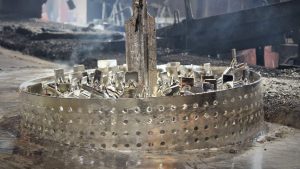

Hot-dip galvanized coating is one of the most effective methods for protecting metals against corrosion. By forming a protective layer on the steel surface, it significantly enhances resistance to environmental factors such as moisture, acids, and chemicals. One of the key factors influencing the performance of this coating is the thickness of the hot-dip galvanized layer, which directly affects the durability and longevity of metal components in industrial settings.
This article explores the impact of hot-dip galvanized coating thickness on corrosion resistance and provides practical insights for industrial applications.
What is Hot-Dip Galvanized Coating?
Hot-dip galvanization is a process in which steel or iron is immersed in a bath of molten zinc. This creates a zinc layer on the metal surface, preventing direct contact with air and moisture.
Benefits of hot-dip galvanization
Increased corrosion resistance
Extended lifespan of structures and equipment
Reduced maintenance costs
Factors Affecting Coating Thickness
The thickness of a hot-dip galvanized coating is influenced by several factors:
1. Immersion Time in Molten Zinc: Longer immersion results in a thicker layer.
2. Bath Temperature: Higher temperatures accelerate the reaction between steel and zinc, increasing thickness.
3. Chemical Composition of Steel: Carbon content and other alloying elements affect layer formation.
4. Surface Preparation: Clean, oxide-free surfaces produce a more uniform and thicker coating.
Relationship Between Coating Thickness and Corrosion Resistance
A critical question in industrial applications is how coating thickness influences corrosion resistance.
Studies indicate:
Thin Coatings (5–7 microns): Offer limited corrosion resistance, suitable for low-risk environments.
Medium Coatings (8–12 microns): Perform well in industrial settings with moderate humidity and low pollutant levels.
Thick Coatings (over 15 microns): Provide the best protection in harsh industrial environments with high humidity, maximizing component lifespan.
Selecting the appropriate coating thickness is essential for operational efficiency and cost reduction in industrial environments.
Industrial Applications of Hot-Dip Galvanized Coating
Hot-dip galvanized coatings are widely used in various industries:
1. Oil & Gas Industry: Pipes, tanks, and equipment exposed to severe corrosion.
2. Construction Industry: Beams, columns, and structural steel elements requiring moisture protection.
3. Automotive Industry: Chassis and car components to extend life against water and road salts.
4. Agriculture & Marine Industry: Equipment exposed to corrosive environments benefits from thicker coatings.
Testing and Standards for Coating Thickness
To ensure the quality of hot-dip galvanized coatings, international standards are applied:
ISO 1461: International standard for hot-dip galvanization of steel
ASTM A123: U.S. standard for coating thickness and durability
Common tests include measuring thickness with a micrometer, salt spray testing, and electrochemical corrosion resistance testing.
Key Guidelines for Selecting Coating Thickness in Industrial Environments
1. Understand the Operating Environment: Assess humidity, temperature, and pollutant exposure.
2. Expected Lifespan: Longer-lived components require thicker coatings.
3. Base Metal Type: Low-carbon and alloyed steels require different thicknesses.
4. Budget Considerations: Thicker coatings increase costs; balance durability and expense.
Conclusion
The thickness of a hot-dip galvanized coating is one of the most critical factors in determining corrosion resistance in industrial environments. Choosing the appropriate thickness extends equipment lifespan, reduces maintenance, and lowers operational costs. Each industrial setting requires careful consideration of environmental conditions, base metal type, and desired component longevity.
Important Note: Adhering to international standards and conducting quality tests ensures coating performance.
For high-quality hot-dip galvanizing services, contact merik to ensure the best protection for your metal structures.